
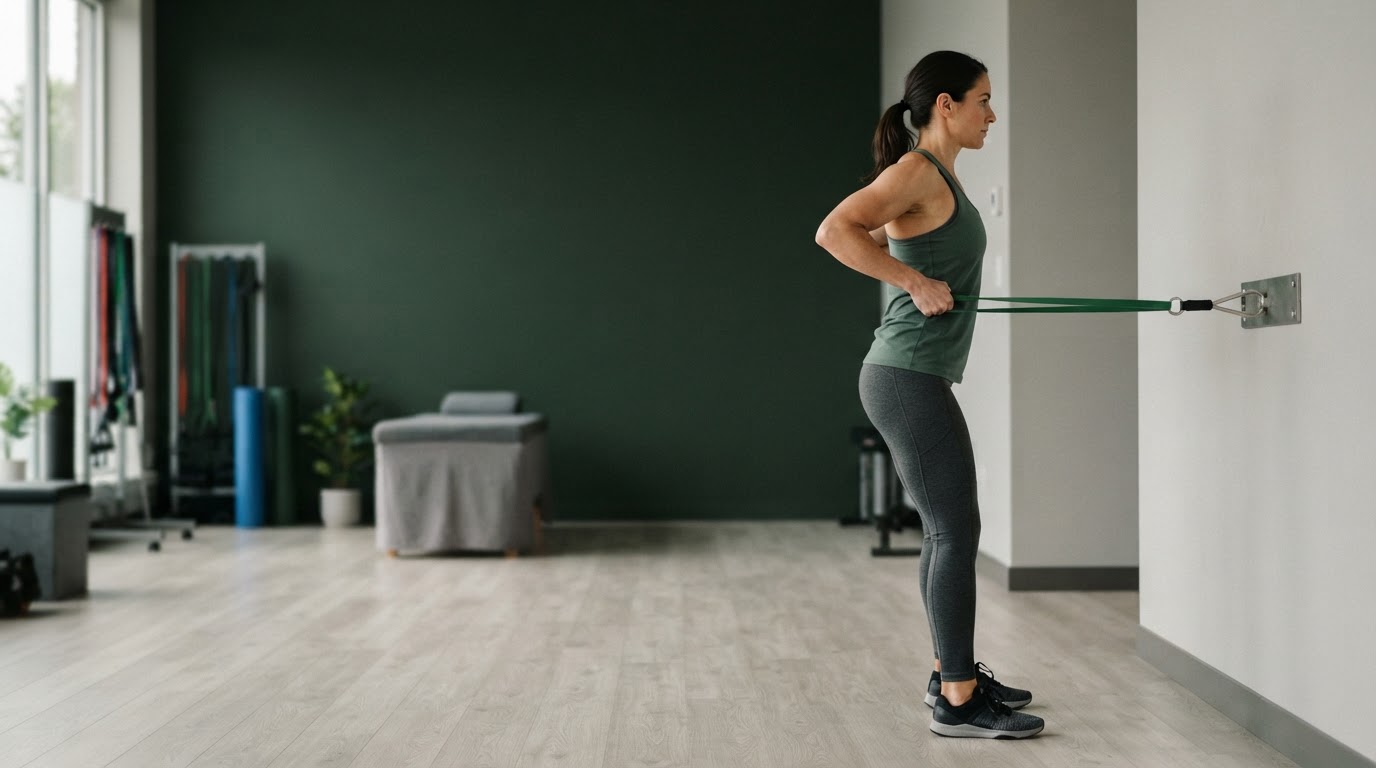
Active Recovery at Valley Chiropractic Clinic
Therapeutic Exercise & Rehabilitation in Juneau, Alaska
Treatment Helps You Feel Better. Movement Helps You Stay Better.
Therapeutic exercise and individualized rehabilitation help bridge the gap between treatment and everyday function. We use guided movement, progressive strengthening, corrective exercises, and practical home programs to help you improve mobility, build confidence, and work toward your functional goals.
New patients can choose the New Chiropractic Exam. If you already receive care here, call our office for scheduling guidance.
Recovery Doesn’t End When Your Appointment Does
Hands-on treatment may help address pain and movement restrictions. Improving how you move often takes active practice.
Therapeutic exercise helps you work toward better strength, mobility, coordination, balance, and physical function. We select and progress activities based on your condition, examination findings, abilities, and goals.
Our objective is to help you move more comfortably and develop the skills to maintain your progress.
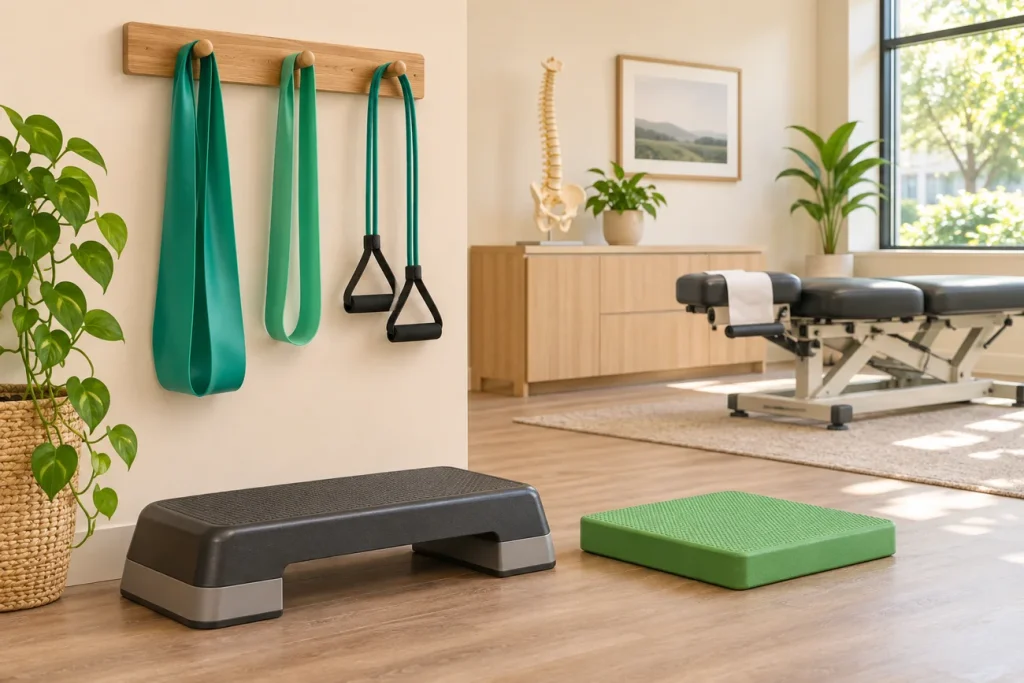
Four Pillars of Rehabilitation
↔
Mobility & Flexibility
Practice comfortable movement through targeted mobility exercises and stretching.
↑
Strength & Stability
Build the strength and control you need for everyday activities through individualized progression.
◎
Coordination & Movement Control
Practice balance, body awareness, and controlled movement patterns.
→
Recovery & Return to Activity
Gradually work toward returning to work, hobbies, and physical activity when appropriate.
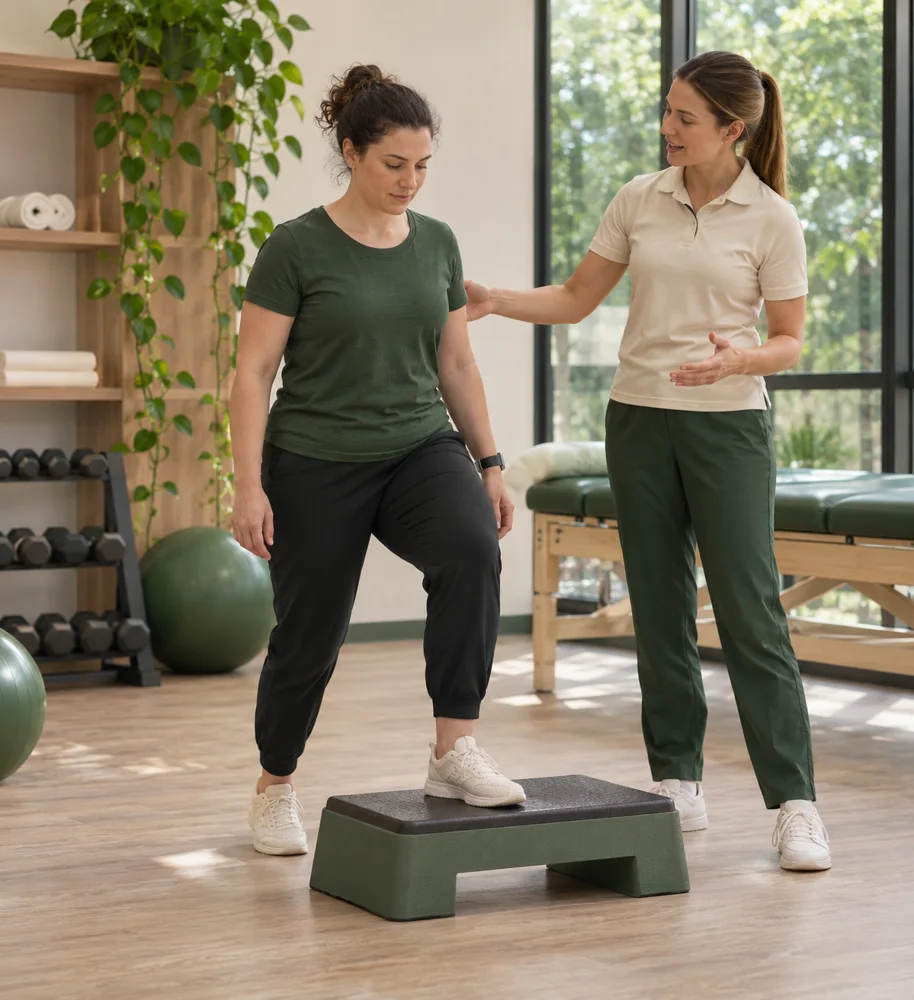
Guided Rehabilitation in Our Clinic
Personalized Instruction. Purposeful Movement.
During in-clinic rehabilitation, we assess how you move, demonstrate exercises, and adapt activities to your symptoms and functional goals. Your program may include mobility training, strengthening, balance, movement re-education, and preparation for everyday activities.
Guided instruction
Learn how to perform each movement.
Movement feedback
Get feedback on form as you practice.
Exercise modifications
Adjust activities to your symptoms and abilities.
Individualized progression
Build on what you can do comfortably and safely.
Coordinated care
Combine active rehabilitation with chiropractic or other conservative care when indicated.
Rehabilitation Support Beyond the Clinic
Remote Therapeutic Monitoring (RTM)
For selected patients, RTM may be an option to support an individualized rehabilitation plan between office visits. Depending on the program and technology available, the clinic may be able to review home-exercise participation, patient-reported symptoms, and response to treatment.
That information can guide follow-up discussions and help us decide when to adjust your plan.
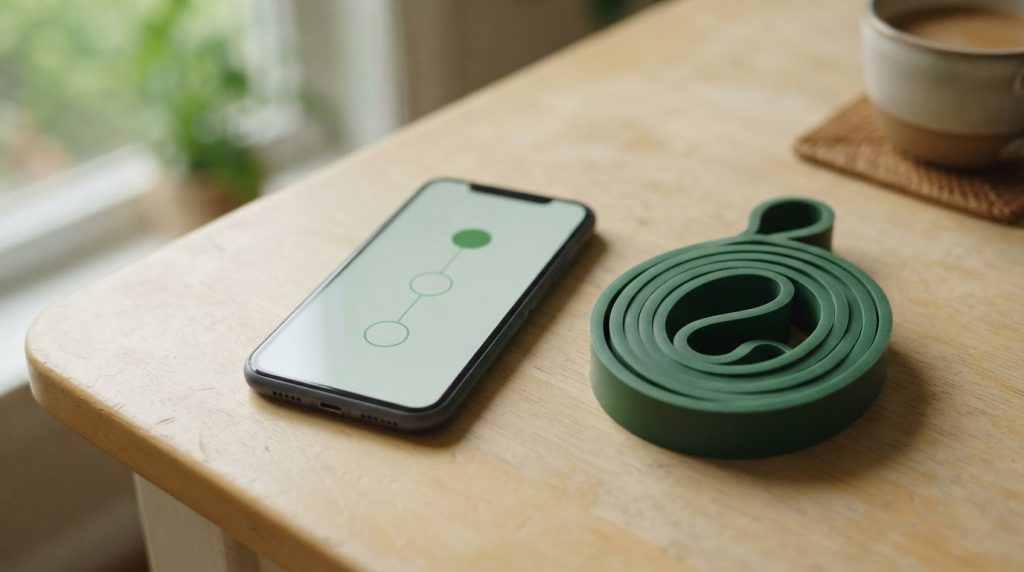
Stay Connected to Your Plan
Follow an individualized rehabilitation plan with appropriate digital support between visits.
Track Meaningful Progress
Share information about exercise participation, symptoms, and how you respond to the program.
Support Informed Adjustments
Use information from between visits to discuss your progress and guide changes to the plan.
In-Clinic and At-Home Care
In the Clinic
- Individualized evaluation
- Guided exercise instruction
- Feedback on movement and form
- Exercise modification and progression
- Integration with other indicated care
Between Visits
- Appropriate home exercises
- Practice and gradual progression
- Self-management strategies
- RTM for selected patients
- Follow-up and reassessment
Your evaluation helps determine how to combine supervised visits and home practice.
Rehabilitation for Real-Life Movement
Your medical history, examination, diagnosis, and goals guide exercise selection. Therapeutic exercise may be considered for patients working through:
- Neck and back discomfort
- Musculoskeletal weakness or deconditioning
- Reduced mobility
- Selected shoulder, hip, and knee concerns
- Postural and movement-related complaints
- Balance or coordination concerns
- Persistent muscle and joint-related discomfort
- Gradual return to work, recreation, or physical activity
Your Rehabilitation Journey
01
Evaluate
Understand your symptoms, movement limitations, health history, and goals.
02
Build a Plan
Select exercises that fit your abilities and stage of recovery.
03
Practice & Progress
Develop strength, mobility, coordination, and confidence through progressive practice.
04
Reassess & Adapt
Review your response and adjust the plan. Discuss RTM or other follow-up options when appropriate.
Where Structure Meets Function.
An Important Part of Your Overall Care
Therapeutic exercise can complement other services when clinically appropriate.
Personalized Care. Practical Progress.
Valley Chiropractic Clinic has served Juneau and Southeast Alaska for more than 40 years. Dr. Jason Nardi, DC, DABCI, DACBN, FIAMA integrates musculoskeletal evaluation, chiropractic care, and rehabilitation. He uses the examination and your movement goals to select exercises you can practice in the clinic or at home. RTM may be considered for selected patients.
Frequently Asked Questions
Build Strength. Improve Movement. Keep Moving Forward.
Whether you’re recovering from a musculoskeletal problem, working to improve mobility, or looking for a structured approach to rehabilitation, we can help you explore the next appropriate steps for everyday movement.
Valley Chiropractic Clinic
2203 Jordan Avenue
Juneau, Alaska 99801
(907) 789-9549